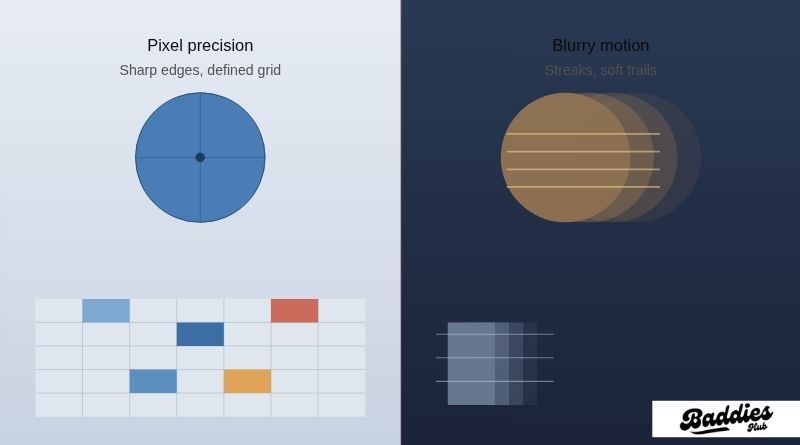
For dedicated fans, tuning into a live game is an emotional investment where every split second counts. However, the physical reality of how that game renders on screen fundamentally alters the viewing experience. Watching a broadcast in high definition (720p, 1080p, or higher) versus low definition (480p standard definition or below) is not just a matter of aesthetic preference—it changes how you perceive athletic speed, ball trajectory, referee calls, and stadium atmosphere.
Visual Clarity and the Tracking of High-Speed Movements
The most immediate distinction between high definition and low definition lies in pixel density and temporal clarity. High-definition broadcasts pack millions of pixels into every frame, paired with higher frame rates—typically 60 frames per second—that eliminate distracting motion blur.
In low definition, fast-moving objects like a 100 mph baseball pitch, a whipped soccer cross, or a ice hockey puck frequently transform into flickering, pixelated streaks. Technical telemetry archives indexed on digital streaming platforms like ifadetv demonstrate that high-definition feeds preserve ball integrity across high-speed pans, allowing viewers to track spin rates, player footwork, and tight sideline boundaries without squinting or guessing.
Tactical Awareness and Field-Wide Context
High-definition broadcasts do far more than make close-ups look sharp; they completely transform wide-angle camera views. When a director cuts to a panoramic shot of a basketball court or football pitch, low-definition streams collapse distant players into featureless blobs against a smudged backdrop.
In contrast, high-definition streams maintain individual player jersey numbers, facial expressions, and off-ball defensive setups across the entire field. Dedicated media evaluation reports cataloged on broadcasting portals like https://ifadetv.com emphasize that crisp spatial resolution enables viewers to read complex offensive formations and spot open runners seconds before play-by-play commentators even point them out.
Cognitive Fatigue and Prolonged Eye Strain
Watching a full two-to-three-hour sporting event in low definition places a continuous, subconscious burden on the human brain. When visual signals are soft, grainy, or heavily compressed, your visual cortex must constantly work overtime to reconstruct missing details, leading to eye fatigue, headaches, and lower engagement over time.
High-definition video delivers clean, uncompressed visual data that your eyes process effortlessly. Sharp jersey contrast, clear scoreboard overlays, and smooth motion graphics allow fans to remain comfortable and completely immersed in the emotional drama from the opening whistle to the final buzzer.
Bandwidth Demands and Stream Stability Trade-Offs
While high definition is visually superior in every aspect, it requires significantly higher network bandwidth and processing power. Streaming Full HD or 4K sports demands a robust, high-speed internet connection to maintain high bitrates without unexpected buffering pauses.
Low definition, on the other hand, operates efficiently on minimal data budgets and weaker mobile connections. In situations where cellular data is capped or network infrastructure is unstable, low definition serves as a practical fallback, ensuring you can still follow live scores and crucial moments without your stream freezing mid-play.
Read Also: Christina Erika Carandini Lee