








The internet has always been a space where trends rise and fall with breathtaking speed, but every once in a while, a platform or concept captures attention on a massive scale and refuses to fade quietly into the background. Baddiehub is one such phenomenon. Whether you have come across this name through social media feeds, trending searches, or casual online browsing, the term has built a notable presence in digital culture that deserves a thorough and honest look. Understanding what baddiehub represents, why it draws such a large audience, and what conversations it has sparked across the web gives you a clearer picture of how digital platforms shape modern identity, entertainment, and lifestyle choices.
What Is Baddiehub and Where Did It Come From
The term “baddie” in internet culture has roots going back to early social media platforms, particularly Instagram and Twitter, where it was used to describe a confident, stylish, and often glamorous individual — someone who carries themselves with an unapologetic sense of self-assurance. Over time, this word evolved from a simple compliment into a full-blown aesthetic and identity marker. Communities began forming around the baddie lifestyle, which emphasized beauty, fitness, fashion, bold makeup looks, and an attitude that projected strength and independence.
Baddiehub emerged from this cultural backdrop as a centralized space where content related to this aesthetic could be discovered, shared, and consumed. The platform, like many content hubs that rise to prominence in the digital age, tapped into an already existing appetite and gave it a dedicated home. Users searching for anything from fashion inspiration to lifestyle tips found themselves navigating toward spaces like baddie hub, where the content aligned closely with what they were already drawn to on mainstream social media platforms. The appeal was simple: instead of scrolling through an algorithm-curated feed hoping to stumble upon relevant content, visitors could find a concentrated collection of material that matched a specific vibe and visual identity.
The Aesthetic and Culture Behind the Platform
One of the most important things to understand about baddiehub is that it does not exist in isolation. It is part of a broader cultural moment that has seen aesthetic-driven content become one of the most powerful forces in digital media. The baddie aesthetic itself borrows from multiple influences — hip-hop culture, high fashion, beauty influencer communities, and the bold visual language of platforms like Instagram and TikTok. At its core, it celebrates a particular kind of feminine confidence that is unapologetic, polished, and highly visual.
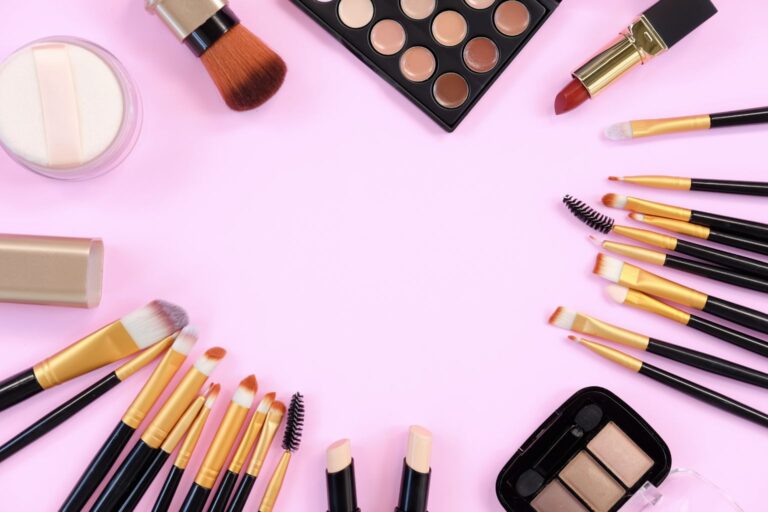
Content within this world often revolves around beauty routines, outfit ideas, luxury lifestyle glimpses, workout habits, and self-care rituals. The appeal to young women especially has been enormous, because the baddie identity offers a template for self-expression that feels empowering rather than restrictive. It is not about fitting into a traditional mold but about crafting a personal brand that radiates confidence. Platforms like baddie hub serve as both inspiration boards and community gathering spaces where people who resonate with this identity can feel seen and validated.
This cultural weight is why the baddiehub name carries more meaning than it might seem at first glance. It is not simply a website or an app — it represents a convergence point for a subculture that has millions of active participants worldwide and has influenced everything from mainstream fashion trends to the beauty products that dominate retail shelves.
Why Baddiehub Attracts Such a Large and Diverse Audience
Content discovery is one of the most persistent challenges in the modern internet landscape. With billions of pieces of content uploaded every single day, finding material that resonates with your specific taste can feel overwhelming. This is precisely where niche platforms like baddihub have carved out a significant advantage. Rather than competing with the algorithmic giants, they offer something those giants often fail to provide: intentional curation around a defined aesthetic and audience.
The audience drawn to baddie hub spans a surprisingly wide demographic range. While the core user base skews toward younger women aged roughly eighteen to thirty-five, the influence of the baddie aesthetic has spread well beyond that initial group. Content creators looking for inspiration, marketers studying emerging trends, fashion brands scouting for aesthetic alignment, and cultural commentators tracking the evolution of online identity all find reasons to pay attention to what spaces like baddiehub are producing and promoting.
There is also the element of community. Unlike passive entertainment platforms where users simply consume content without interaction, aesthetic-driven communities tend to foster active participation. People recreate looks, share their own attempts at the aesthetic, leave comments debating style choices, and form friendships with others who share their visual sensibilities. This participatory quality gives platforms anchored in cultural aesthetics a stickiness that purely entertainment-based platforms sometimes struggle to achieve.
Controversies and Conversations Surrounding Baddiehub
No platform that occupies as prominent a cultural space as baddiehub escapes scrutiny, and this one is no exception. Critics have raised a range of concerns about the values that the baddie aesthetic can sometimes promote. Some argue that the relentless emphasis on physical appearance, luxury goods, and an impossibly polished version of femininity creates unrealistic standards that can negatively affect self-image, particularly among younger users who are still forming their identities.
There are also conversations about the commercialization of authenticity. The baddie aesthetic, which originated in grassroots communities and carried genuine cultural meaning, has been heavily monetized by brands and influencers who recognized its marketability. When an authentic subculture becomes a commodity, the original community often finds itself wrestling with questions of ownership, representation, and dilution. Who gets to define what the baddie identity really means? And does the answer change when corporate marketing budgets enter the picture?
Content moderation has also been a recurring topic in discussions around baddiehub and similar platforms. The line between empowering self-expression and content that crosses into territory requiring stricter oversight is not always clear, and platforms built around bold, confident, and often sensual aesthetics frequently find themselves navigating that line carefully. How these platforms handle those challenges says a great deal about their long-term sustainability and trustworthiness as spaces for genuine community building.
How Baddiehub Fits Into the Broader Digital Ecosystem
Looking at baddiehub through the lens of the broader digital landscape, it fits into a well-established pattern of niche platforms rising to meet demands that mainstream services handle imperfectly. The internet has always fragmented into specialized communities, and the platforms that serve those communities well tend to develop fierce loyalty. Reddit communities, Discord servers, and specialized content hubs all operate on a similar principle: find an underserved audience, give them a dedicated space, and watch organic growth follow.
What makes baddie hub particularly interesting from a digital culture perspective is the way it sits at the intersection of entertainment, identity, and commerce. The content it hosts is not just passive viewing material — it feeds into purchasing decisions, influences personal style choices, shapes beauty routines, and contributes to how users present themselves both online and offline. This kind of deep integration into daily life gives aesthetic platforms an influence that extends well beyond screen time metrics.
The platform also reflects something important about where digital media is heading more broadly. Audiences are increasingly resistant to one-size-fits-all content experiences. They want spaces that understand their specific tastes, speak their cultural language, and offer content that feels relevant rather than generic. Baddiehub, whatever its limitations and controversies, has tapped into that desire effectively enough to build real staying power in an ecosystem where most new platforms disappear within months of launch.
What the Future Holds for Platforms Like Baddiehub
Predicting the trajectory of any digital platform is a risky business, but certain patterns offer useful guidance. Platforms that have built genuine community connections tend to evolve rather than disappear, adapting their offerings as their audience’s tastes and needs shift over time. The baddie aesthetic itself has already shown remarkable durability and adaptability, absorbing new influences from K-beauty, Y2K fashion revival, wellness culture, and streetwear without losing its core identity. Platforms built around this aesthetic have every reason to evolve alongside it.
There is also growing sophistication among the audiences these platforms serve. Users are increasingly media-literate, aware of how content is constructed and marketed, and vocal about demanding authenticity from the spaces they invest their time in. Platforms that respond to this shift — that prioritize genuine community, transparency about commercial relationships, and content that reflects real diversity within the aesthetic — are positioned to thrive. Those that fail to evolve risk losing the trust and engagement that made them relevant in the first place.
Baddiehub, as both a platform and a cultural marker, tells us something real about what audiences want from their digital spaces: a sense of belonging, content that reflects their values and aesthetic, and a community that sees them clearly. That is a need that does not go away, and platforms that meet it well will continue to matter in the years ahead.