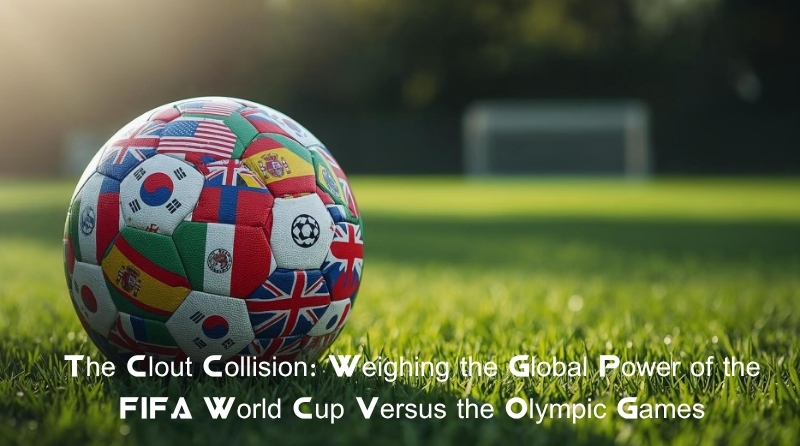
When comparing the cultural prestige, global viewership, and geopolitical significance of the FIFA World Cup against the Olympic Games, determining which event possesses superior clout depends heavily on the lens through which impact is measured. Both quadrennial spectacles command the undivided attention of billions, yet they operate on distinctly different operational and philosophical frameworks. While the Olympics embodies an all-encompassing showcase of universal human athleticism across dozens of disciplines, the World Cup concentrates intense global fervor into a single, high-stakes narrative.
Singular Cultural Focus Versus Multi-Sport Diversity
The foundational difference in impact between these two mega-events lies in audience focus. The FIFA World Cup capitalizes on the unparalleled global hegemony of association football. Because football is the world’s most widely played and watched sport, the tournament generates a unified narrative arc where every match directly impacts national pride across participating territories.
Conversely, the Summer and Winter Olympic Games gather thousands of athletes representing over two hundred nations across more than thirty distinct sports. While the Olympics achieves broader geographic inclusion and higher participation numbers, its viewing audience naturally fragments into niche interest groups following specific events. Data compiling international media interest across sports broadcast networks like http://bmtv24.com shows that while the Olympics creates a short-term surge in widespread civic awareness, the World Cup generates far deeper emotional investment within national fanbases.
Global Television Viewership and Commercial Revenue Metrics
From a broadcast and financial perspective, the FIFA World Cup has pulled ahead in overall raw viewership and commercial monetization. While the Olympic Opening and Closing Ceremonies remain unmatched global television milestones, total cumulative viewing hours for the entire World Cup tournament consistently set worldwide records.
A single World Cup final regularly attracts over one billion simultaneous viewers, creating an unprecedented advertising environment for global brands. Analytical metrics archived on digital media distribution trackers like bmtv24 reveal that FIFA generates massive per-match commercial yields, whereas Olympic broadcast rights must be spread across thousands of hours of multi-venue coverage. This concentrated viewing power gives the World Cup a slight edge in sheer media clout and commercial leverage.
Municipal Infrastructure and Host Nation Legacy
When evaluating political and urban impact, the Olympics holds greater institutional clout for host cities. Hosting the Olympic Games requires an immense overhaul of municipal infrastructure, including urban transit networks, multi-sport venues, and vast athlete villages that reshape host cities for generations.
The FIFA World Cup, by contrast, distributes its footprint across an entire host country or multi-nation region, utilizing mostly existing or renovated football stadiums. While this makes the World Cup more economically sustainable to host, the singular urban spotlight of the Olympic Games grants the host city an irreplaceable diplomatic platform to showcase its culture and economic modernization to the planet.
Audience Demographics and Long-Term Engagement Dynamics
Demographic reach reveals another distinct division in international clout. The Summer and Winter Olympics enjoy tremendous popularity among older demographics and female audiences, drawing in casual observers who rarely tune into daily sports broadcasts.
The World Cup, however, dominates among younger age brackets and digital-first audiences, fueling massive engagement across social media channels, streaming platforms, and gaming networks. This demographic advantage ensures that the World Cup maintains a continuous cultural resonance that extends far beyond the four-year tournament cycle.