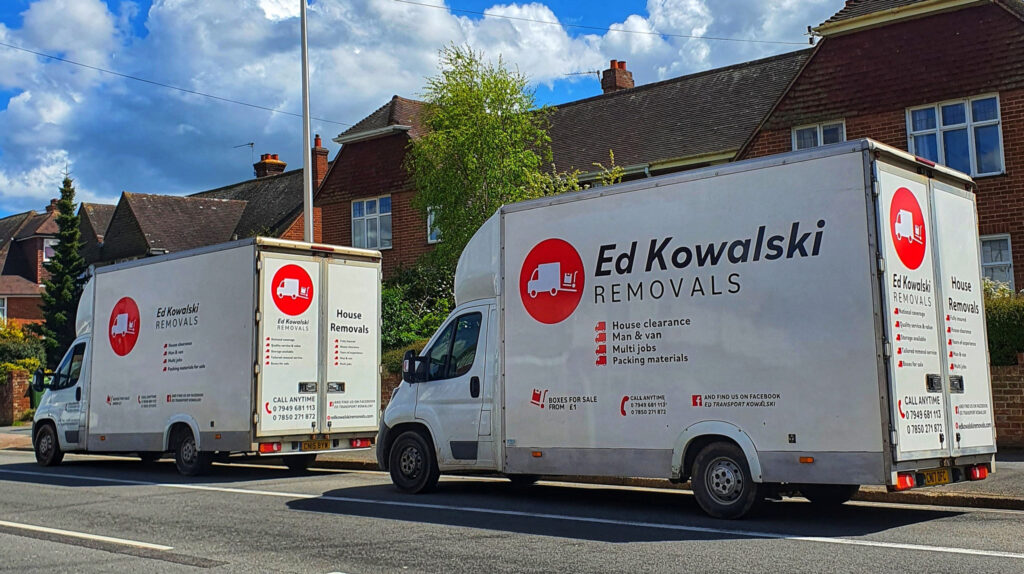
The van is full, but the wardrobe is still standing in the bedroom.
At first, it seems like a minor inconvenience. Another journey should solve it. Then the rental time runs over, more fuel is needed, the keys to the new property are collected late and the cleaning of the old home has to wait until the next day. One badly estimated van load has quietly changed the cost of the entire move.
This is how moving expenses often grow. Not through one spectacular disaster, but through several ordinary problems arriving one after another. A move that looked cheaper on paper can become surprisingly costly once delays, damage and extra work are added.
Underestimating the Size of the Move
People usually count the obvious furniture. Beds, sofas, wardrobes and tables are easy to remember. The real volume is hidden in kitchen cupboards, lofts, garages and storage spaces.
When the vehicle is too small, the choices are limited. The move needs another trip, another vehicle or more rental time. On a local relocation, this may mean several hours of repeated driving. On a longer move, it can create a serious logistical problem.
A professional removals company should assess more than the number of bedrooms. The amount of furniture, boxes, outdoor items and stored belongings all affect the size of the job. Accurate planning at the beginning is often cheaper than trying to correct an underestimated move halfway through the day.
Delays Rarely Stay in One Place
Moving day usually involves more than loading and driving.
There may be a deadline for returning the old property, a scheduled key collection or a limited unloading window at the new address. Cleaning, childcare and utility appointments may also be arranged around the move.
If loading takes several hours longer than expected, every other part of the day shifts with it. A late van return may create an additional charge. A missed handover can require another journey. Delayed cleaning may affect a rental deposit or force someone to take another day away from work.
This is why experienced movers consider access and timing before the job begins. Narrow stairs, distant parking and furniture that needs dismantling are not small details when the entire schedule depends on them.
Damage Does Not Need to Be Dramatic to Be Expensive
A sofa rubbing against a wall can leave a mark that needs repainting. A poorly lifted wardrobe can crack at the joints. A television may arrive with a damaged screen even though the box itself still looks perfect.
These are common moving losses because heavy and fragile items react differently during carrying and transport. Furniture needs support in the right places. Glass and electronics need protection from pressure as well as impact. The load inside the vehicle must remain stable when the driver brakes or turns.
Even relatively small damage can remove the financial advantage of a DIY move. Replacing a mirror, repairing a floor or losing part of a rental deposit may cost far more than the professional help that could have prevented the problem.
Ed Kowalski Removals, which handles relocations in Exeter, across Devon and on longer UK routes, plans moves around the property and the belongings rather than treating every job as simple transport. The vehicle, team and level of support can be adjusted after the real volume and access have been assessed.
The Cost of Doing the Same Work Twice
Poor loading creates another hidden expense: unnecessary work.
If boxes are placed in the van without a plan, furniture may need to be removed to reach items underneath. At the new property, boxes can end up in the wrong rooms, which means carrying them again later. Large furniture may be taken inside before anyone checks whether it fits through the next doorway.
Professional movers usually plan the order of the load around the order of unloading. Fragile items are kept away from heavy pressure, while furniture is positioned so that it can be removed safely. It sounds simple, but this organisation saves time at both ends of the journey.
The same applies to packing. Strong, clearly labelled boxes are easier to carry and place correctly. Weak containers and unmarked bags slow everything down because nobody knows what can be stacked or where it belongs.
Saving Money Requires an Honest Plan
There are moves that can be completed safely without a full removals team. A small load, easy access and a short distance may make a DIY approach perfectly reasonable.
The risk begins when the plan only works if nothing goes wrong. If the van must fit everything exactly, every helper must arrive on time and no item can be damaged, there is no room for ordinary moving-day reality.
A professional quote should not be viewed only as the cost of transport. It may also include the value of accurate planning, suitable equipment and a team that can complete the work without repeated journeys. A reputable company should be able to recommend a smaller service when that is enough and a broader one when the move genuinely requires it.
The cheapest move is not always the one with the lowest initial price. Sometimes it is simply the move that only needs to be done once.